When Sports Injuries and Overuse Pain Should Not Be Ignored
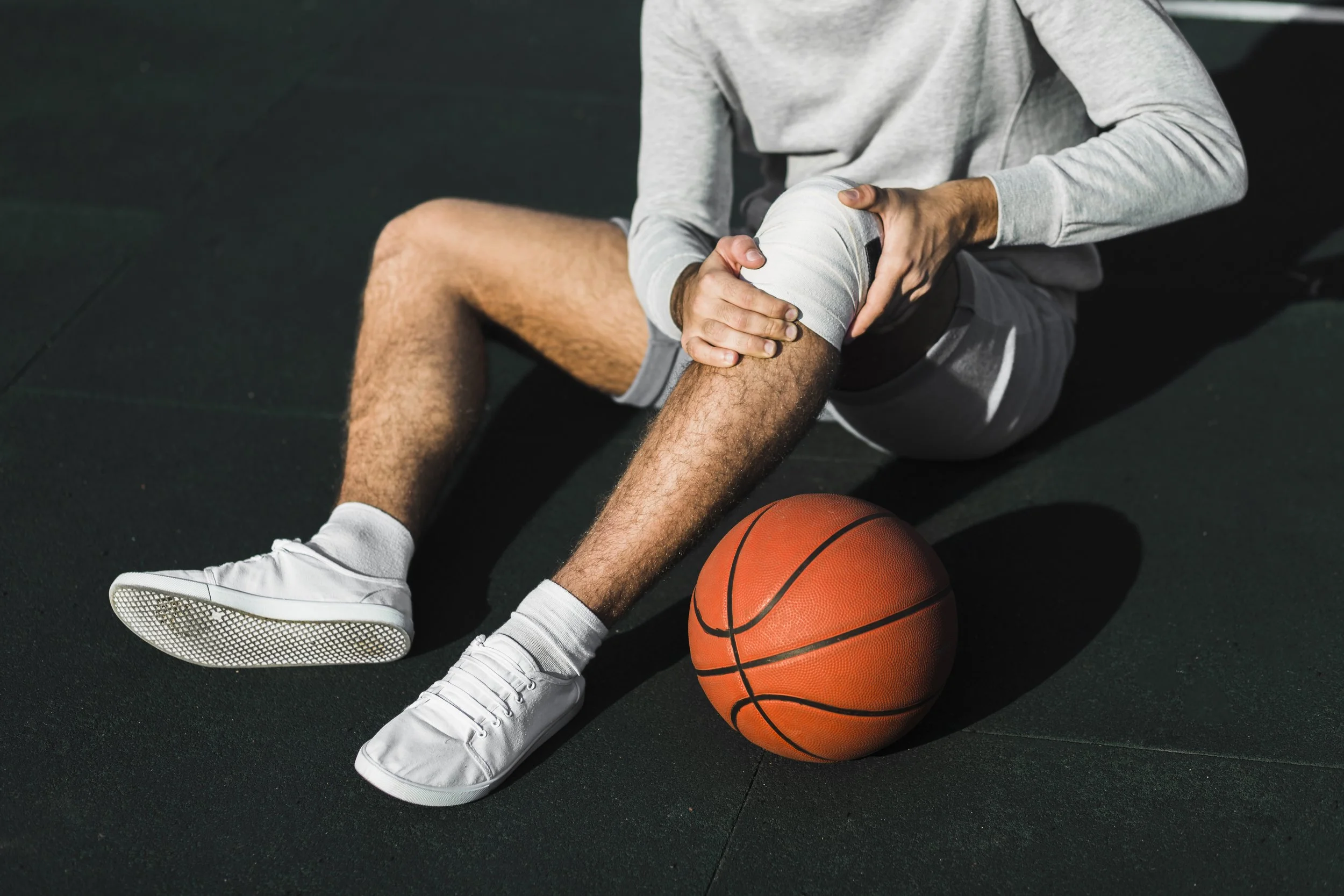
You finish a long run, a tough lift, or a weekend softball game, and something feels a little off. You figure it is just soreness. You take a couple of days off, and it seems better.
Then it shows up again the next time you train.
Many active adults are used to pushing through discomfort. Whether it started as a sports injury or an overuse problem that built up over time, pain that lingers or keeps returning during activity is often your body’s way of telling you something is not working the way it should. At Achieve Physical Therapy, we work with runners, gym goers, athletes, and weekend warriors throughout Passaic County and Northern New Jersey who want to stay active without that nagging pain holding them back.
Common Sports and Overuse Injuries Physical Therapy Treats
Some injuries happen all at once. You roll an ankle, feel a pull in your hamstring while sprinting, or tweak your back picking up a weight.
Others build gradually. Overuse injuries develop when the same tissues are stressed repeatedly without enough time to recover. Runner’s knee, shin splints, Achilles tendon pain, plantar fasciitis, tennis elbow, and shoulder pain from lifting or throwing are all common examples.
These problems often show up when someone increases their activity quickly. Training for a race, joining a new league, or returning to the gym after a long break can all place new demands on your body. Your muscles, tendons, and joints can adapt to those demands, but they need time to do it.
Why Ignoring Small Injuries Often Makes Them Worse
Your body is very good at finding ways to keep you moving.
If your knee is sore, you may start putting a little more weight on the other leg. If your shoulder is irritated, you may change the way you reach overhead or press a weight. Most of the time, you do not even realize it is happening.
Those adjustments may help you get through a workout, but over time they can shift stress to other areas. A minor ankle sprain that never fully recovered may eventually show up as knee or hip pain. A sore shoulder may start affecting your neck or upper back.
Small injuries are usually easier to address when they are still small. The longer a problem goes on, the more time your body has to develop compensation patterns that can make recovery more involved.
How Physical Therapy Supports Sports Injury Recovery
Rest can help calm pain down, although it does not always address why the injury developed in the first place.
If weakness, limited mobility, or the way you move contributed to the problem, those factors are still there when you return to your sport. That is often why the same injury keeps coming back.
At Achieve Physical Therapy, our one on one approach gives us time to look at how you move, what your activity requires, and what may be contributing to your pain. Physical therapy for athletes and active adults is not one size fits all. A runner, a golfer, and someone who lifts several times a week may all need very different plans.
Treatment may include hands on care, targeted strengthening, mobility work, and guidance on how to gradually return to your activity. In many cases, the goal is not to stop moving completely. It is to find the right amount of activity that allows you to stay active while your body recovers.
Injury Prevention Tips for Active Adults and Athletes
Not every injury can be prevented, but a few habits can make a real difference.
Increasing your training gradually is one of the most important. Big jumps in mileage, weight, or how often you play can place more stress on your body than it is ready to handle.
Strength training is also valuable, even for runners and recreational athletes. Stronger hips, legs, and core muscles can help your body better handle the repetitive demands of running, jumping, and changing direction.
Warming up properly, varying your activities, and giving yourself enough time to recover between hard sessions all help as well. Sleep and rest days are part of training, not a break from it.
If you are planning to start a new sport, train for an event, or return to activity after time away, an evaluation beforehand can help identify areas that may need attention before they turn into a problem.
When to Seek Professional Treatment for Pain
Some soreness after a hard workout is normal. It usually improves within a day or two and does not change how you move.
It may be time to see a physical therapist if your pain lasts longer than a week or two, keeps returning when you go back to activity, or starts showing up earlier in your workouts. Changes in how you walk, run, lift, or throw are also worth paying attention to, as are stiffness, swelling, or pain that affects your sleep or daily routine.
Frequently Asked Questions About Sports and Overuse Injuries
What is the difference between muscle soreness and an injury?
Normal soreness usually feels like general tightness or achiness, shows up a day or two after a hard workout, and improves within a few days. Pain from an injury is often more specific to one spot and tends to return or get worse when you repeat the same activity.
Should I stop exercising if I have an overuse injury?
Not always. Many people can stay active by adjusting how much they do or switching to activities that do not aggravate the injured area. A physical therapist can help you figure out what is appropriate for your situation.
Can physical therapy help prevent sports injuries?
Yes. An evaluation can identify weakness, limited mobility, or movement patterns that may increase your risk of injury, so they can be addressed before they lead to pain.
Stay Active With a Plan That Fits Your Goals
Whether you want to finish your next race, stay on the mats, get back on the field, or simply work out without discomfort, understanding what is behind your pain is an important first step.
If you are an athlete or active adult in Passaic County or Northern New Jersey, do not wait until pain sidelines your workouts or daily activities. Contact Achieve Physical Therapy to create a recovery and prevention plan tailored to your goals.